.png)
Summary
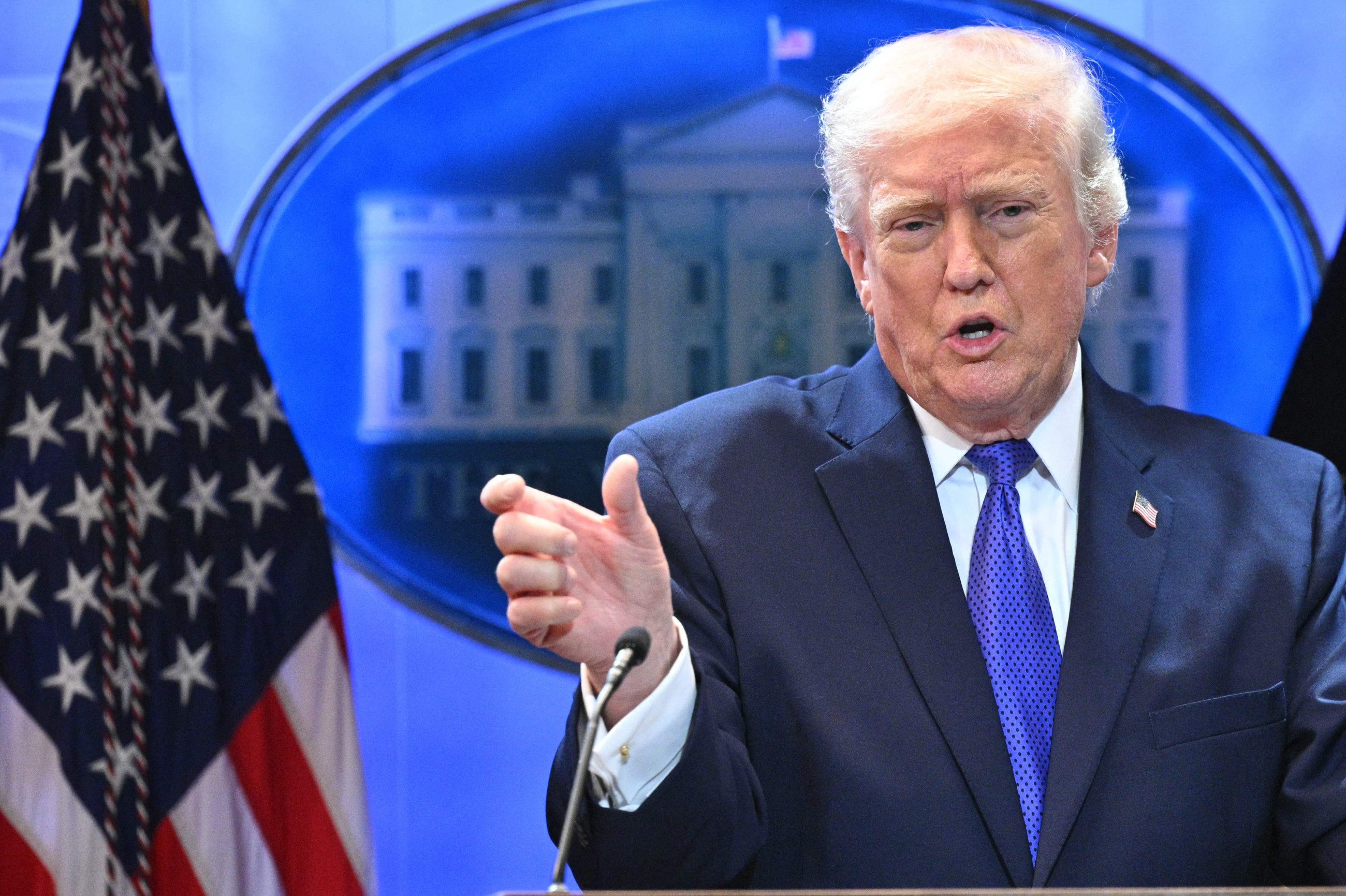
President Donald Trump has announced a plan to increase taxes on nearly all goods imported into the United States. The rate will jump from 10% to 15%, which is the highest amount allowed under a specific trade law. This decision comes right after the US Supreme Court blocked his previous tariff plan, ruling that he had gone beyond his legal power. This move shows that the president is determined to continue his trade policies despite legal challenges from the courts.
Main Impact
The immediate impact of this decision is a sharp rise in the cost of bringing foreign products into the country. By moving the rate to 15%, the administration is making it more expensive for companies to buy parts and goods from overseas. This change is expected to affect everything from electronics to clothing. While the president argues this will help the American economy, it also creates a lot of uncertainty for businesses that rely on global trade. It also signals that the trade war between the US and its partners is heating up again.
Key Details
What Happened
On Friday, the US Supreme Court voted 6-3 to strike down the president's earlier tariff program. The court said the president used an economic emergency law incorrectly to set high taxes on imports. In response, Trump quickly signed an order for a 10% tax. By Saturday, he decided to push that number even higher to 15%. He is now using a different law called Section 122 to justify these taxes. This law allows the president to set tariffs for a short time to deal with trade imbalances.
Important Numbers and Facts
The new 15% tax is the maximum allowed under Section 122 without getting extra permission. However, there is a catch: this law only allows the taxes to stay in place for 150 days. If the president wants to keep them longer, he will need Congress to approve the extension. Trump has stated he will use this 150-day window to find other legal ways to keep the taxes high. He also plans to use laws related to national security to target specific countries or products that he believes are unfair to the US.
Background and Context
Tariffs are essentially taxes paid by companies when they bring goods into the US from other countries. President Trump has long argued that other nations take advantage of the United States by selling their goods here cheaply while making it hard for American companies to sell abroad. He believes that high tariffs will force other countries to change their rules and will encourage companies to build more factories in America. However, many experts worry that these taxes lead to higher prices for regular shoppers, as businesses often pass the extra costs down to customers.
Public or Industry Reaction
The reaction from around the world was fast and concerned. In South Korea, the trade ministry called for an emergency meeting to figure out how their car and steel exports would be affected. In France, President Emmanuel Macron spoke about the importance of the "rule of law." He said it was good that the US court system could check the president's power, but he warned that France would have to watch the new 15% tax very closely. In Mexico, business leaders are worried and are currently studying how these changes will hit their factories near the US border. Many business owners are confused because the rules seem to change very quickly.
What This Means Going Forward
The next few months will be a period of intense legal and political fighting. Since the 15% tariff has a 150-day limit, the administration must find a more permanent legal path or convince Congress to support the plan. We can expect more court cases as businesses try to fight these new taxes. At the same time, other countries might decide to put their own taxes on American goods in return. This could lead to a cycle of rising prices and difficult trade relations between the US and its closest allies.
Final Take
President Trump is making it clear that he will not let court rulings stop his trade agenda. By pushing the tariff rate to the legal limit, he is testing how much control he has over the economy. The world is now waiting to see if these taxes will stay or if the legal system will step in once again to limit the president's reach.
Frequently Asked Questions
Why did the Supreme Court stop the first tariff plan?
The court ruled that the president did not have the authority to set those specific taxes under the law he used. They decided he had overstepped the limits of his power.
How long will the new 15% tariff last?
Under the current law being used, the 15% tax can only stay in place for 150 days unless Congress votes to let it continue for a longer time.
Will these tariffs make prices go up for consumers?
Many economists believe that when import taxes go up, the companies bringing those goods into the country raise their prices to cover the cost, which usually means shoppers pay more.