.png)
Summary
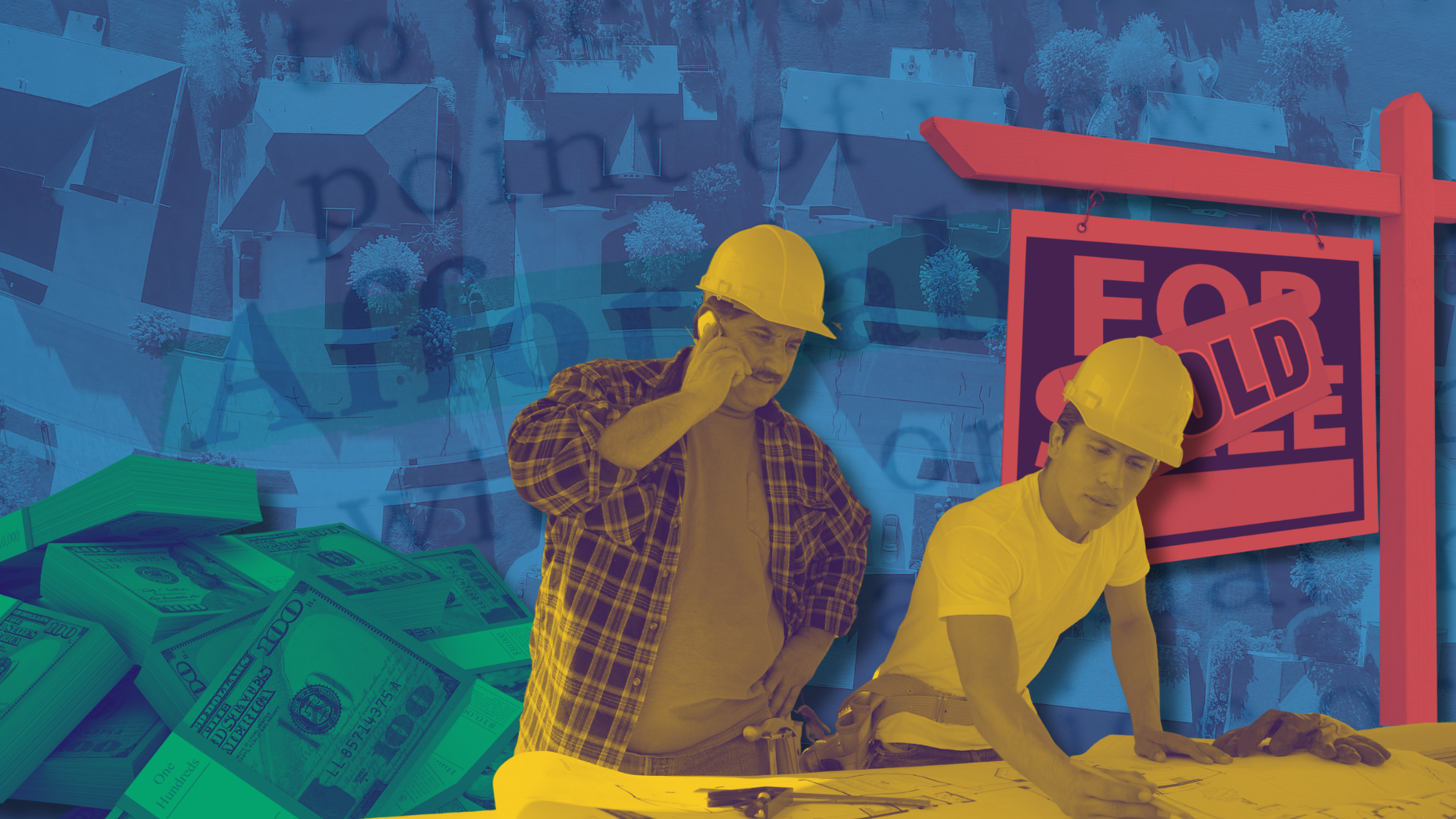
The housing market is going through a major shift as more homeowners decide to put their properties up for sale. For a long time, people looking for a home had very few choices and often had to buy brand-new houses. Now that more existing homes are available, builders are changing their strategy. They are starting fewer projects and stopping the big price cuts and special deals they used to offer to attract buyers.
Main Impact
The biggest change is that the power in the housing market is moving away from homebuilders. For the past couple of years, builders were the only ones with houses to sell, which gave them a huge advantage. They could offer special perks, like paying to lower a buyer's interest rate, to keep sales moving. Now that there are more "used" homes on the market, builders are facing real competition. To protect their profits, they are pulling back on these deals and slowing down their work schedules.
Key Details
What Happened
Homebuyers are now looking at the resale market much more than they did last year. A resale home is a house that has been owned before, rather than one that was just built. Because there are more of these homes for sale, buyers have more room to negotiate prices. Builders have noticed this trend and are reacting by pulling back. They are no longer offering the same level of financial help to buyers, and they are being much more careful about starting new construction projects.
Important Numbers and Facts
Data shows that the number of building permits—the official papers needed to start building a house—has started to drop. At the same time, "housing starts," which is the actual beginning of construction on new homes, are also slowing down. This is happening because the supply of existing homes has grown significantly. When there are more homes available to buy, prices usually stop rising so fast. Builders do not want to build expensive new houses if they have to compete with cheaper older homes nearby.
Background and Context
To understand why this is happening, we have to look back at the last few years. Many people had very low interest rates on their home loans. They did not want to sell their houses because buying a new one would mean getting a much more expensive loan. This created a situation where almost no one was selling their home. This was often called the "lock-in effect."
During that time, homebuilders were the stars of the market. If someone needed a house, they usually had to buy a new one. To make these new homes even more attractive, builders offered "incentives." These were deals where the builder would pay some of the buyer's costs or help them get a better interest rate. Now that the lock-in effect is starting to fade, more regular people are listing their homes for sale. This means the "monopoly" that builders had is over.
Public or Industry Reaction
Real estate experts are watching this change closely. Many believe that the market is finally returning to a more normal state. Buyers are generally happy because they have more choices and do not feel forced into buying a new construction home that might be far away from the city center. However, some experts worry that if builders slow down too much, there could be a shortage of homes again in a few years.
Builders are being cautious. They are businesses that need to make a profit, and if they have to give away too many discounts to sell a house, they would rather just build fewer houses. This careful approach helps them stay financially healthy, but it means the total number of homes available might not grow as fast as some people hoped.
What This Means Going Forward
In the coming months, buyers should expect fewer "freebies" from homebuilders. The days of getting a massive discount or a tiny interest rate just for buying a new house are coming to an end. Instead, buyers will need to compare the total cost of a new home against the cost of an older home that might need some repairs or updates.
The resale market will likely become the main driver of home prices again. If more people continue to list their homes, it could put pressure on all sellers to keep their prices reasonable. For the construction industry, this is a time to wait and see. They will likely wait for interest rates to change or for the current supply of homes to sell before they start building at a fast pace again.
Final Take
The housing market is rebalancing as the supply of existing homes grows. While builders are no longer the only game in town, their decision to slow down construction shows they are focused on keeping prices steady. For anyone looking to buy a home, this shift means more options in the resale market but fewer deals on brand-new construction. It is a sign that the unusual housing market of the last few years is finally changing into something more familiar.
Frequently Asked Questions
Why are builders stopping their discounts?
Builders are stopping discounts because they want to protect their profit margins. Since more existing homes are now for sale, builders are choosing to build fewer houses rather than selling them at a lower price.
Is it better to buy a new home or a resale home right now?
It depends on your budget. Resale homes often have more room for price negotiation now, but new homes may still offer modern features. However, the special financial deals builders used to offer are becoming harder to find.
Will home prices go down because of this?
While more homes on the market usually mean prices stop rising quickly, it does not always mean they will drop. The increase in existing homes for sale is creating more competition, which helps keep prices from spiking.